




Premier Energies advances clean technology innovation with focused solar research and development, combining solar engineering and clean technology engineering to push renewable energy technology forward. Our solar R&D programs turn laboratory breakthroughs into scalable photovoltaic products, advancing the next generation of solar cell technologies.

Innovation at Premier Energies is driven by solving engineering challenges through improved solar cell efficiency, advanced solar manufacturing, and manufacturing automation. Every innovation is focused on enhancing product performance, reliability, and clean energy innovation.
Cell Technologies
Advancing photovoltaic cell architectures for higher efficiency and improved energy generation, integrating photovoltaic technology to raise solar cell efficiency.
11.1GWHeading
Solar Module Manufacturing Capacity
RajasthanNTPC
National Thermal Power Corporation611 MWInstalled Capacity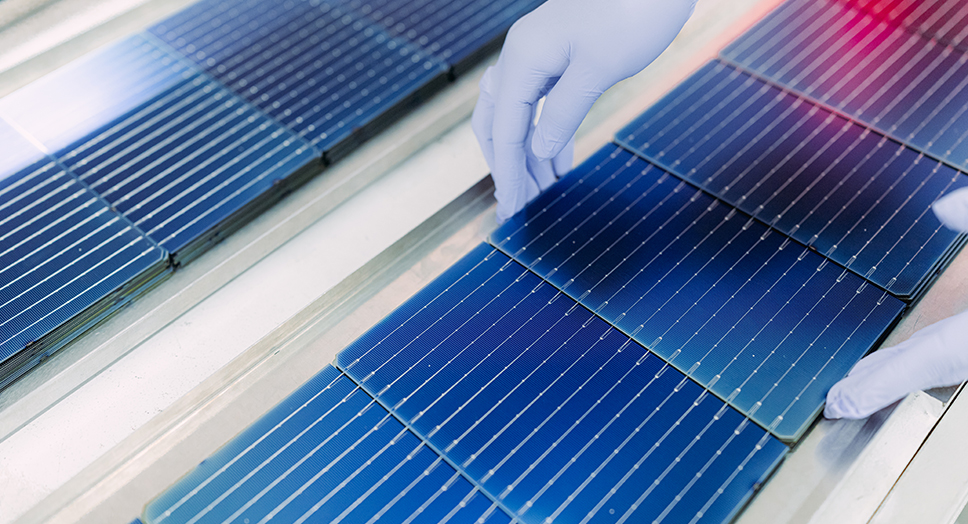
Manufacturing Innovation
Optimizing manufacturing through automation, digitalization and intelligent production systems, with a focus on advanced solar manufacturing.
11.1GWHeading
Solar Module Manufacturing Capacity
RajasthanNTPC
National Thermal Power Corporation611 MWInstalled Capacity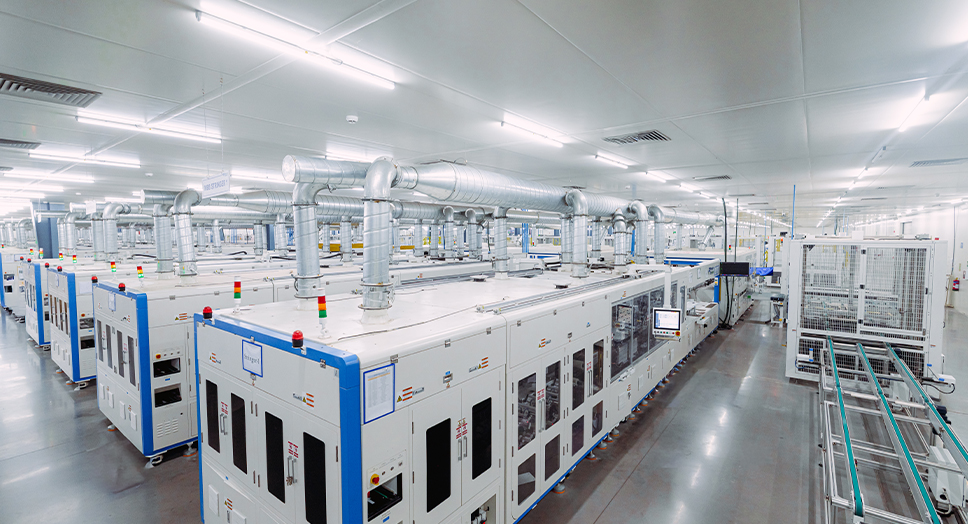
Materials Research
Exploring advanced materials that improve durability, performance and long-term reliability.
11.1GWHeading
Solar Module Manufacturing Capacity
RajasthanNTPC
National Thermal Power Corporation611 MWInstalled Capacity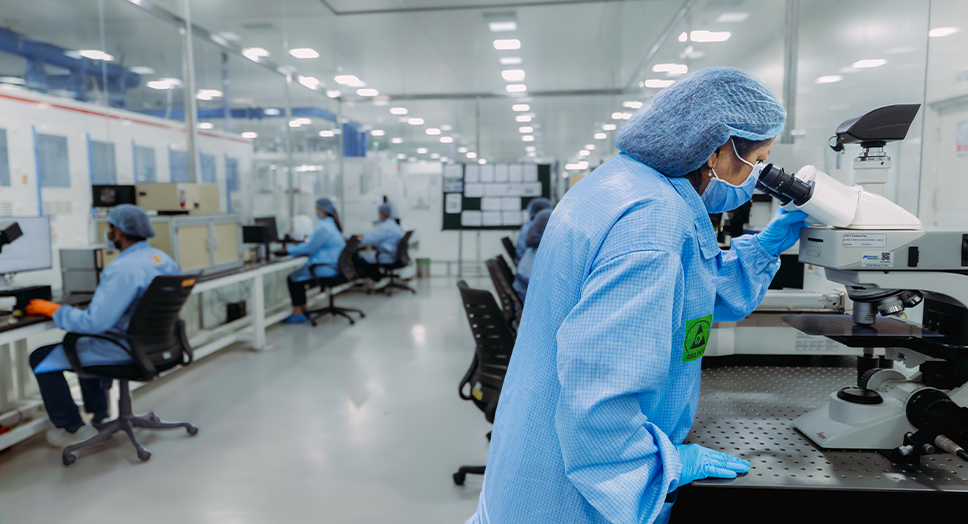
Reliability Engineering
Enhancing product performance through continuous testing, validation and engineering improvements, backed by reliability engineering solar practices.
11.1GWHeading
Solar Module Manufacturing Capacity
RajasthanNTPC
National Thermal Power Corporation611 MWInstalled Capacity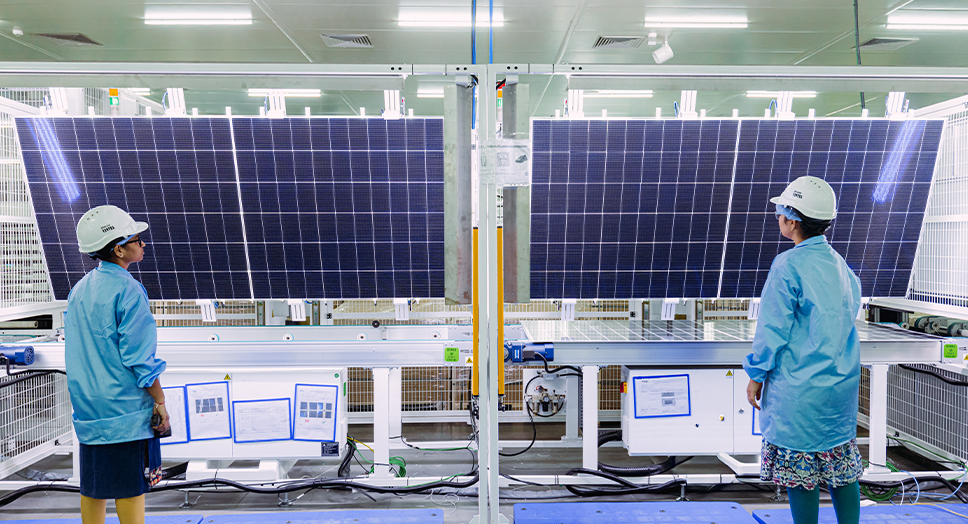
Cell Technologies
Advancing photovoltaic cell architectures for higher efficiency and improved energy generation, integrating photovoltaic technology to raise solar cell efficiency.
Heading
Solar Module Manufacturing Capacity
NTPC
Manufacturing Innovation
Optimizing manufacturing through automation, digitalization and intelligent production systems, with a focus on advanced solar manufacturing.
Heading
Solar Module Manufacturing Capacity
NTPC
Materials Research
Exploring advanced materials that improve durability, performance and long-term reliability.
Heading
Solar Module Manufacturing Capacity
NTPC
Reliability Engineering
Enhancing product performance through continuous testing, validation and engineering improvements, backed by reliability engineering solar practices.
Heading
Solar Module Manufacturing Capacity
NTPC

Each technology links to the relevant Solar Cell Technology or Solar Module Technology page for a detailed explanation.
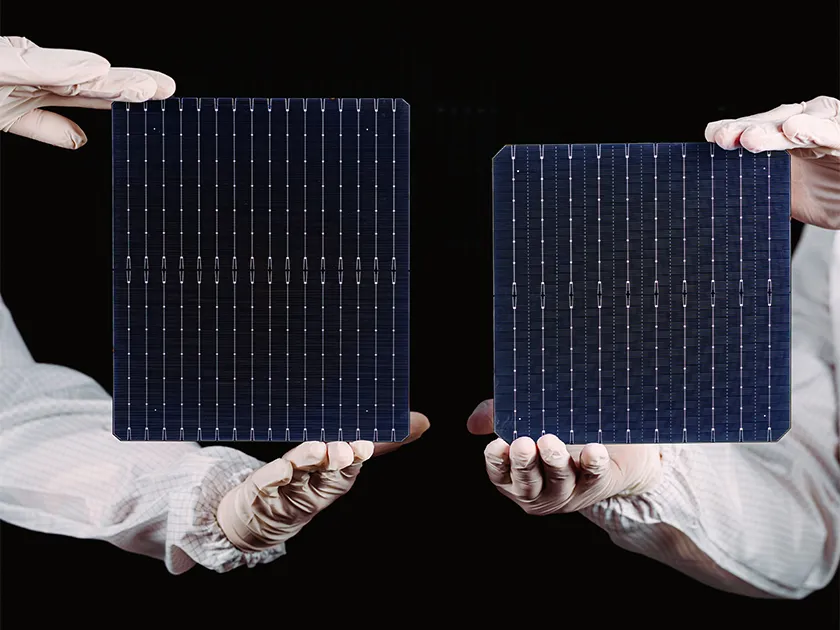
N-Type TOPCon
Higher efficiency and lower degradation through next generation cell architecture, leveraging N-type TOPCon technology.

- Ultra-pure monocrystalline silicon produced using the Czochralski (CZ) crystal growth process
- Controlled doping for N-type and P-type applications
- Optimised for crystal purity, orientation, and electrical performance
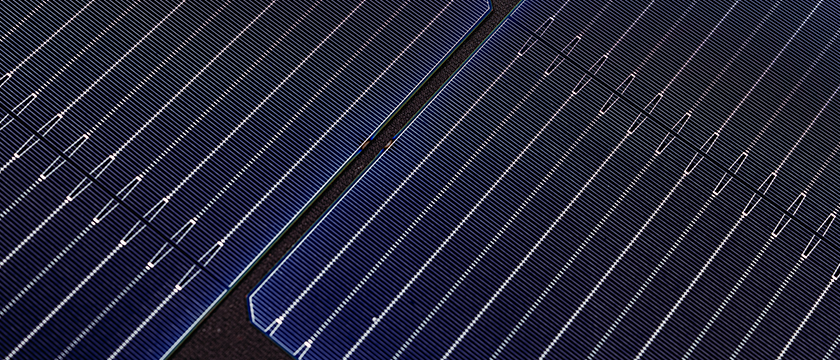
Zero Bus Bar Module
Reducing shading losses while improving current collection and module aesthetics with a zero-bus bar module approach.
- Ultra-pure monocrystalline silicon produced using the Czochralski (CZ) crystal growth process
- Controlled doping for N-type and P-type applications
- Optimised for crystal purity, orientation, and electrical performance
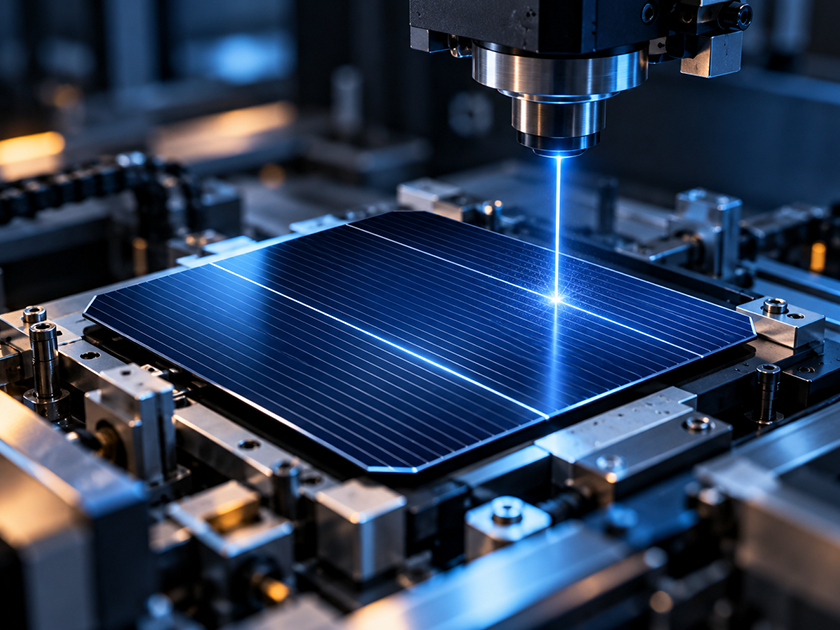
LECO
Optimizing cell performance through advanced contact engineering to improve LECO cell performance.
- Ultra-pure monocrystalline silicon produced using the Czochralski (CZ) crystal growth process
- Controlled doping for N-type and P-type applications
- Optimised for crystal purity, orientation, and electrical performance
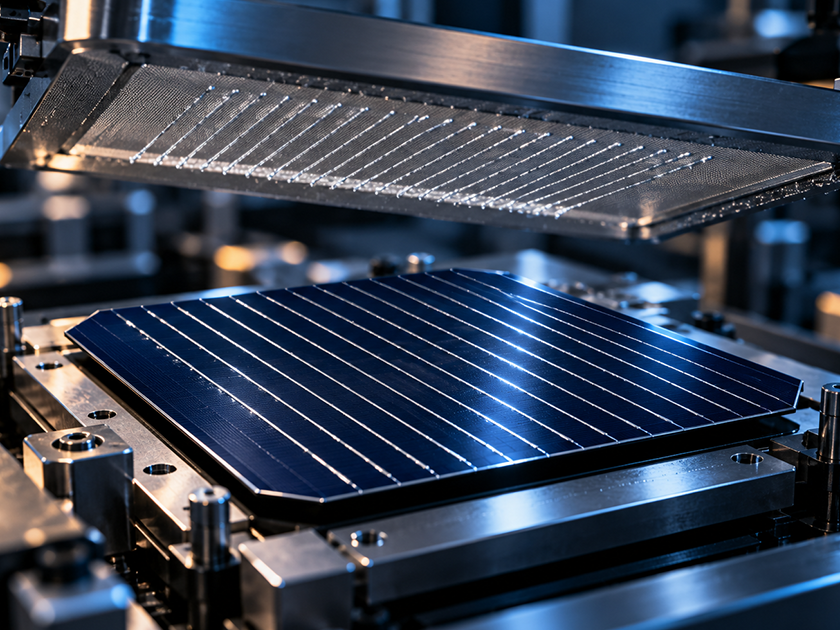
Poly Finger Metallization
Improving electrical conductivity while optimizing silver usage through poly finger metallization.
- Ultra-pure monocrystalline silicon produced using the Czochralski (CZ) crystal growth process
- Controlled doping for N-type and P-type applications
- Optimised for crystal purity, orientation, and electrical performance
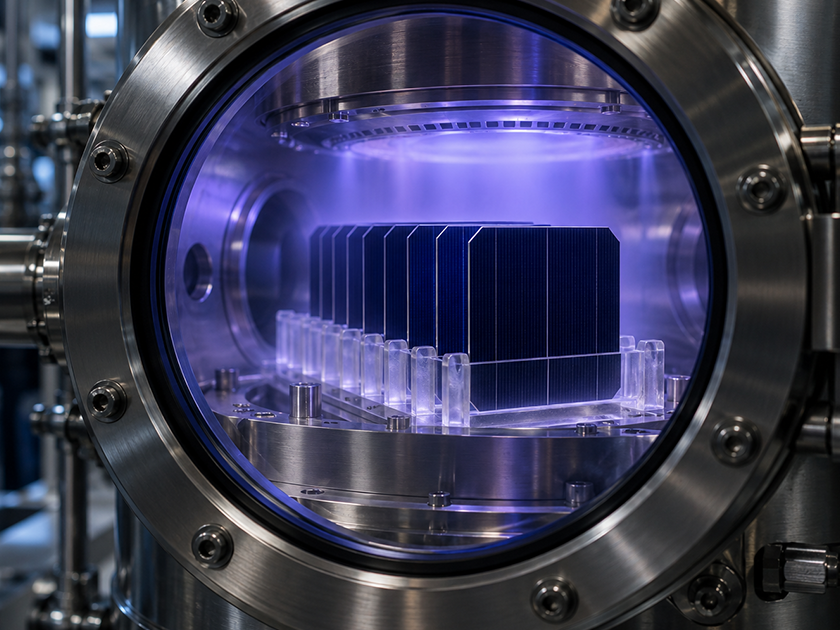
Advanced Passivation
Reducing carrier recombination to improve conversion efficiency using advanced passivation.
- Ultra-pure monocrystalline silicon produced using the Czochralski (CZ) crystal growth process
- Controlled doping for N-type and P-type applications
- Optimised for crystal purity, orientation, and electrical performance


process

Research
Identifying opportunities to improve performance, efficiency and manufacturability as part of structured solar research and development.
Prototype Development
Evaluating new designs and technologies through controlled development and early process learning.
Process Optimization
Refining manufacturing processes for consistency, scalability and quality, enabled by digitalization and manufacturing automation.
Manufacturing Validation
Testing innovations under production conditions before implementation to ensure reliability and repeatability.
Commercial Deployment
Integrating validated innovations into products and manufacturing operations for measurable field performance.
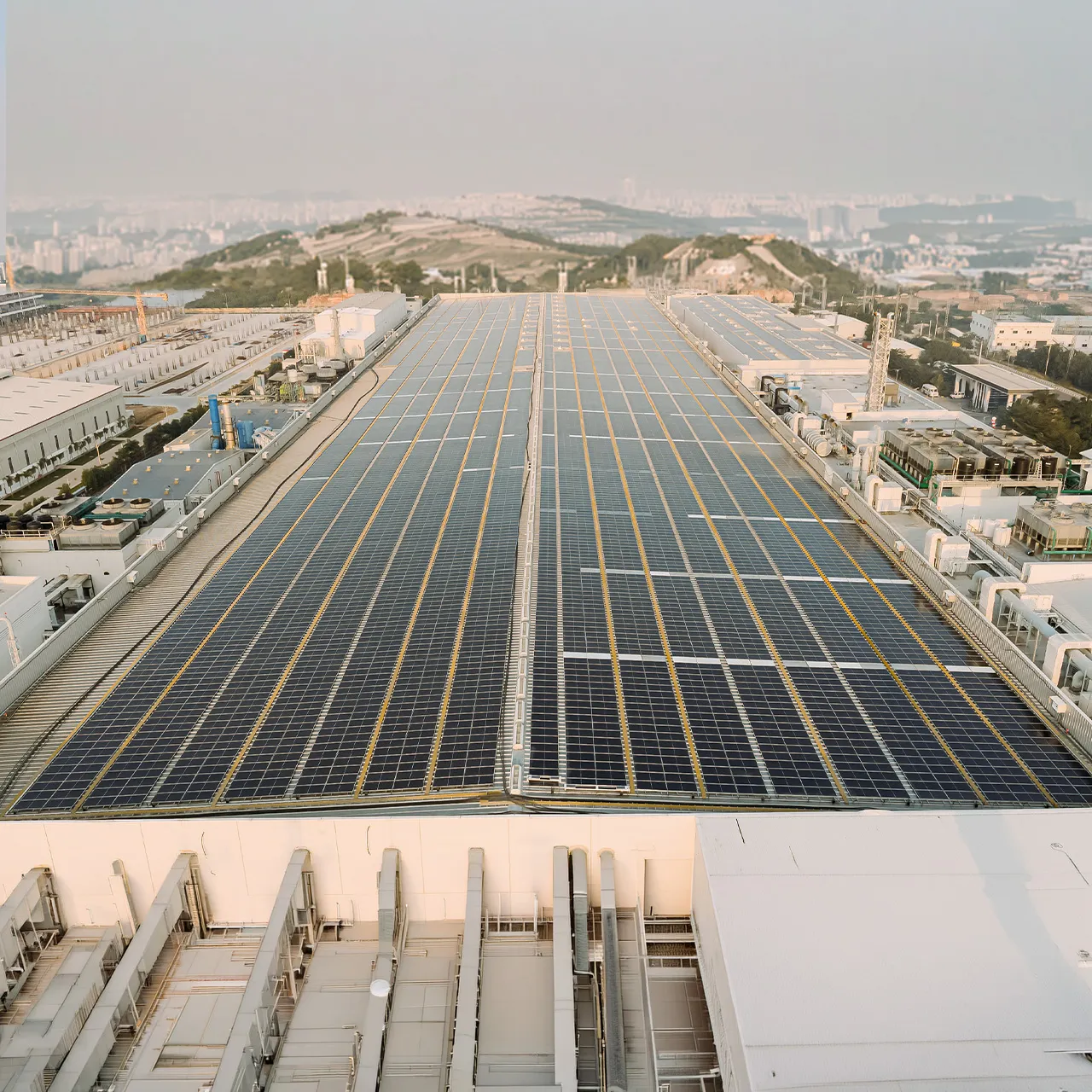
Advancing Innovation Through Collaboration
Our industrial research and solar technology partnerships help accelerate scale up from lab to production.

RENA Technologies GmbH
Collaborating on advanced manufacturing technologies and process innovation to strengthen solar manufacturing capabilities.

BITS Pilani
Supporting R&D through academic collaboration focused on solar research and development.


Discover how innovation is translated into advanced solar cell and module technologies.
Frequently asked questions


The four pillars are: Cell Technologies (advancing PV cell architectures for higher efficiency and energy generation), Manufacturing Innovation (optimizing production through automation, digitalization and intelligent systems), Materials Research (exploring advanced materials for durability, performance and long-term reliability) and Reliability Engineering (continuous testing, validation and engineering improvements to enhance product performance).
A structured, five stage pathway moves ideas from lab to field: Research (identify opportunities to improve performance, efficiency and manufacturability), Prototype Development (evaluate new designs under controlled conditions), Process Optimization (refine processes for consistency, scalability and quality via digitalization and automation), Manufacturing Validation (test under production conditions to ensure reliability and repeatability) and Commercial Deployment (integrate validated innovations into products and operations for measurable field performance).
Examples include N-Type TOPCon (next generation cell architecture delivering higher efficiency and lower degradation), Zero Bus Bar Module (reduced shading losses, improved current collection and enhanced aesthetics), LECO (advanced contact engineering to optimize cell performance), Poly Finger Metallization (better conductivity with optimized silver usage) and Advanced Passivation (lower carrier recombination for higher conversion efficiency).
By digitalizing and automating production, Premier Energies boosts precision, consistency and scalability, enabling higher quality, repeatable outputs. These capabilities underpin Process Optimization and Manufacturing Validation, ensuring innovations are production-ready, reliable and capable of delivering lifecycle value.
Industrial and academic partnerships accelerate scale up and de risk adoption from RENA Technologies GmbH on advanced manufacturing and process innovation to BITS Pilani on research and development alongside broader industry and academic collaborations that speed technology development from lab to production.